

Metal enclosures protect your OEM equipment from dust, moisture, mechanical impact and electromagnetic interference. Selecting a suitable custom metal shell is critical to guarantee stable equipment operation and extend service life. Here is a practical guide for your selection OEM/ODE metal shell:

The working environment determines enclosure material and protection grade.
Outdoor or corrosive scenarios usually require stainless steel or upgraded surface treatment.
Each metal material has distinct advantages and cost differences.
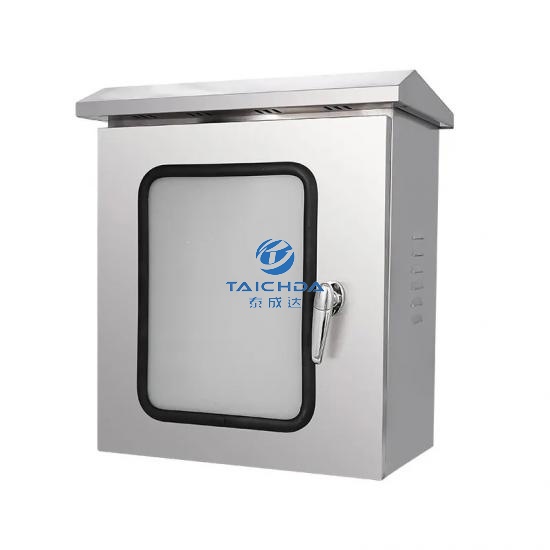
Plate thickness options: Carbon steel thickness is 0.6mm-20mm, stainless steel thickness is 0.6mm-15mm
Provide 2D drawings or 3D STEP/IGES files for accurate customization.
Surface treatment improves durability and appearance.
Check required compliance certificates before production:
CE, RoHS, UL, and relevant electrical safety standards.
Specify dimensional tolerances, cosmetic standards and inspection reports if required.
A well-designed custom metal enclosure not only safeguards your OEM equipment but also helps with assembly and maintenance. Share your working conditions, internal component layout and target budget with the metal shell manufacturer. Their engineering team can optimize the design to meet your OEM project needs.
Consider the working environment, required IP rating, enclosure material, dimensions, internal component layout, surface finish, structural requirements, budget, production lead time and applicable certifications.
Stainless steel 304 is suitable for many wet and general outdoor environments. Stainless steel 316 offers enhanced corrosion resistance for coastal and more aggressive environments. The final material should be selected according to actual exposure conditions and project requirements.
IP54 provides protection against limited dust ingress and water splashes. IP65 provides dust-tight protection and protection against water jets. The appropriate rating depends on the installation environment and the level of protection required.
Provide 2D engineering drawings or 3D STEP/IGES files showing the overall dimensions, plate thickness, mounting points, cable entries, cutouts and internal component layout. These details help the manufacturer evaluate the design and prepare for production.
Yes. Custom metal enclosures can be manufactured to meet specified dimensions, material, surface treatment, door configuration, mounting requirements and cutout positions. Confirm the technical drawings and project requirements with the manufacturer before production.


 IPv6 network supported


