

When requesting customized sheet metal manufacturing quotes from sheet metal manufacturers, providing complete and accurate information can help manufacturers provide accurate quotes, shorten delivery times, and avoid subsequent modification costs. Customized sheet metal can achieve material selection customization, processing technology customization, and product structure customization. The quotation varies greatly depending on different materials, processes, and structural schemes. Here is a list of key information you need to provide when preparing an inquiry.

This is the most basic information for customized sheet metal and the basis for material cost accounting.
If the finished product samples are available, you can send the physical samples together with the drawings for reference.
Choose customized raw materials:
The customized material and thickness will directly affect the material cost.
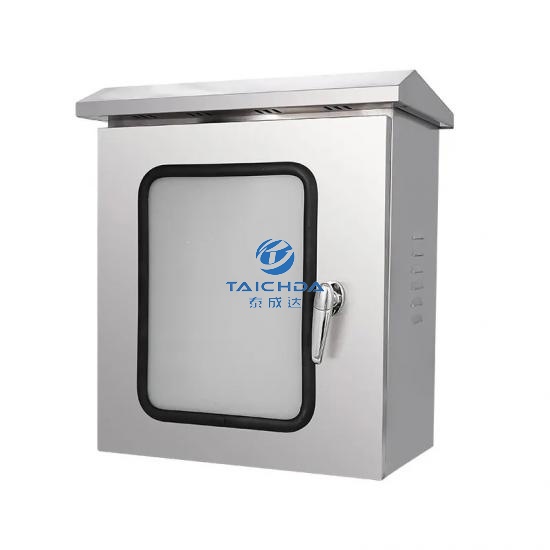
Customizing different surface treatments has a significant impact on costs.
Indicate customized surface treatment requirements:
List all the processes you need to customize:
Laser cutting, punching, bending, welding, riveting, tapping and assembly. Indicate the welding method (spot welding, argon arc welding, etc.).
Quotes differ a lot between prototype small batches and bulk orders.
The more complete the information you provide, the faster and more accurate the sheet metal quotation will be. If some customized parameters have not been finalized in the early stage, they can be marked as negotiable, and our engineering team can provide professional optimization suggestions.
Prepare 2D engineering drawings or 3D models, material type and thickness, surface treatment requirements, manufacturing processes, order quantity, dimensional tolerances, quality standards, packaging preferences and delivery information. Providing these details helps manufacturers estimate costs and lead times more accurately.
Commonly accepted formats include DWG, DXF and PDF for 2D engineering drawings, and STEP, IGES and SolidWorks files for 3D models. Drawings should clearly show dimensions, tolerances, cutouts, bending details and other manufacturing requirements.
Material prices vary by type and grade, while thicker sheets generally require more raw material and may need different processing settings. Stainless steel, aluminum, carbon steel and galvanized sheet also have different performance characteristics and processing considerations. The best option depends on the application, durability requirements and budget.
Common options include powder coating, electroplating, galvanizing, brushing, polishing, laser marking and stainless steel passivation. Specify the required finish and provide a color code when applicable so the manufacturer can assess the process and cost.
Yes. Prototype orders, small batches and mass production can have different unit costs because setup, programming, tooling and production time are distributed differently across quantities. Providing both the initial order quantity and estimated annual demand can help manufacturers prepare a more suitable quotation.
Submit complete drawings, confirm material grades and thicknesses, specify tolerances and surface finishes, and communicate inspection, packaging and delivery requirements before production begins. If any specifications remain undecided, identify them clearly and confirm them with the manufacturer before approving the final quotation.


 IPv6 network supported


